

It’s a question many pet owners have asked themselves: Do dogs love their humans, or do they simply associate us with food, safety, and routine? Fortunately, recent studies in canine behavior and neuroscience provide answers that go well beyond the food bowl.
Can Dogs Feel Love? Understanding Canine Emotions
While we can’t ask dogs directly how they feel, animal behaviorists and neuroscientists have found compelling evidence that dogs experience emotions similar to human affection and attachment.
So what drives your dog’s excitement: love or hunger? Let’s examine several research-backed signs of emotional bonding to find out.
Separation Anxiety: Emotional Distress or Dependence?
When left alone, many dogs display signs of distress pacing, barking, destructive behavior, or excessive drooling. Known as separation anxiety, this reaction mimics the emotional responses seen in young children separated from caregivers.
Key takeaway: Dogs that suffer when you’re gone aren’t just craving treats. They’re showing deep emotional attachment, comparable to family-level bonds.
Do Dogs Comfort You or Just React?
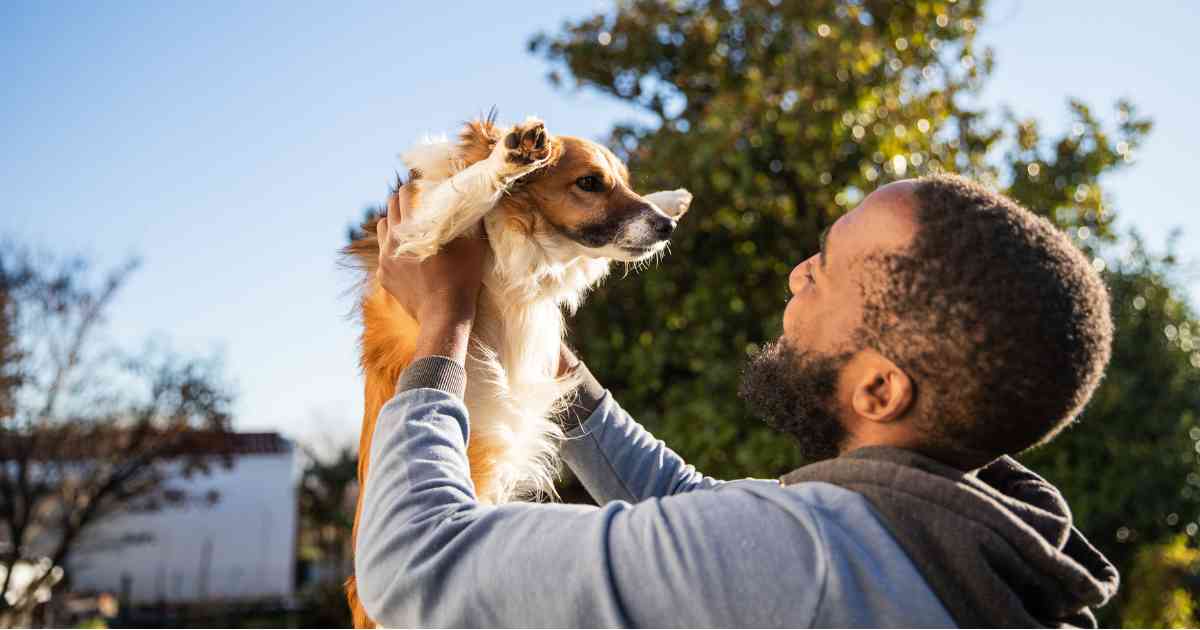
If your dog approaches you when you’re upset or crying, you might feel comforted and that reaction might be more than just coincidence.
Researchers believe dogs are finely tuned to human emotions and body language. While your pup may not understand sadness like a human, they respond to unusual behavior with concern or curiosity.
Some studies suggest dogs may try to comfort distressed humans, even when there's no direct benefit to them a strong indicator of empathetic behavior.
Heartbeats That Sync: Science Confirms the Bond
In a 2015 study from Sweden, researchers monitored the heart rates of dogs and their owners during separation and reunification.
After being reunited, both the dog's and the human's heart rates dropped and began syncing a phenomenon observed in deeply bonded relationships.
This physiological reaction is a powerful sign of emotional connection, suggesting that dogs not only recognize us but are emotionally affected by our presence.
Licking and “Kisses”: Affection or Instinct?
Is your dog licking your face because they love you… or is it a leftover pack instinct?
In wild canines like wolves, mouth licking is a form of communication often a greeting after a successful hunt. Domesticated dogs may still display this behavior, but over time, it’s evolved into an expression of affection and social bonding.
So yes your dog's “kisses” likely mean both affection and familiarity, not just instinct.

The Power of Oxytocin: The “Love Hormone”
Perhaps the strongest scientific evidence of a dog’s love lies in hormones particularly oxytocin, also known as the “bonding hormone” or “love hormone.”
Studies show that both dogs and humans release oxytocin when they:
- Gaze into each other’s eyes
- Cuddle or touch
- Spend quality time together
- This hormonal feedback loop mirrors the one between human parents and children proving dogs are biologically capable of forming emotional bonds with their owners.
So… Love or Just Kibble?
It’s true that food plays a major role in your dog’s daily motivation. But science confirms it’s not the only reason they love being around you.
Dogs are highly social animals. They crave companionship, interaction, touch, and routine. While food can trigger excitement, true affection is built over time through:
- Consistency
- Care
- Emotional responsiveness
- Positive experiences
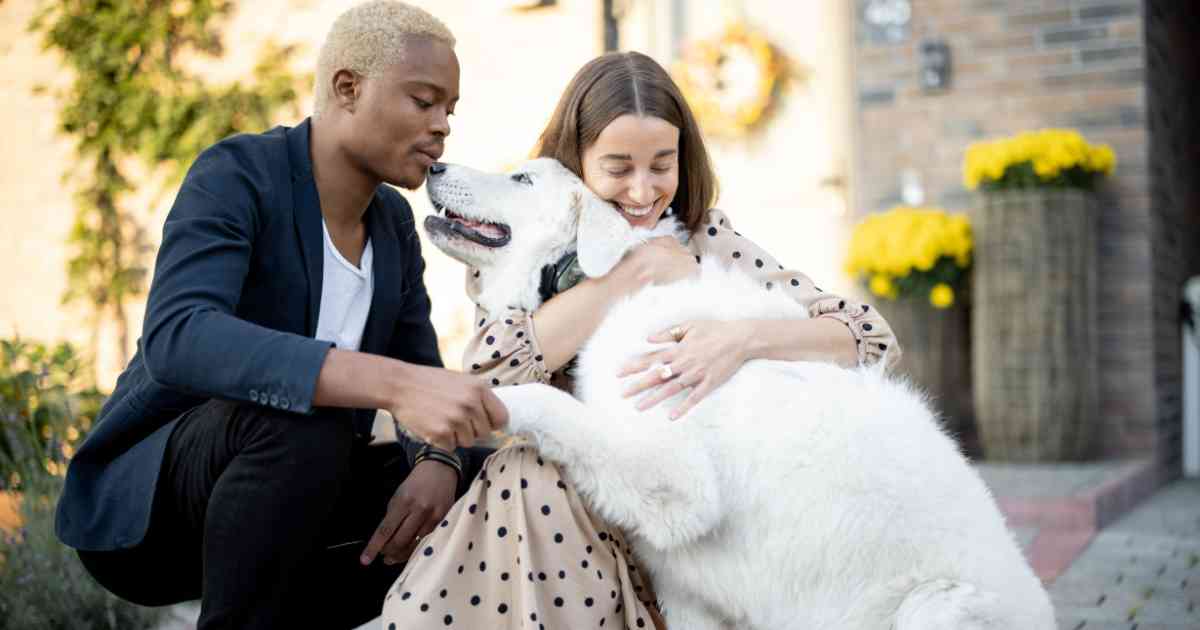
- If your dog greets you eagerly, follows you from room to room, and curls up near you at night congratulations, you’re not just a food dispenser. You’re their safe space and source of emotional comfort.
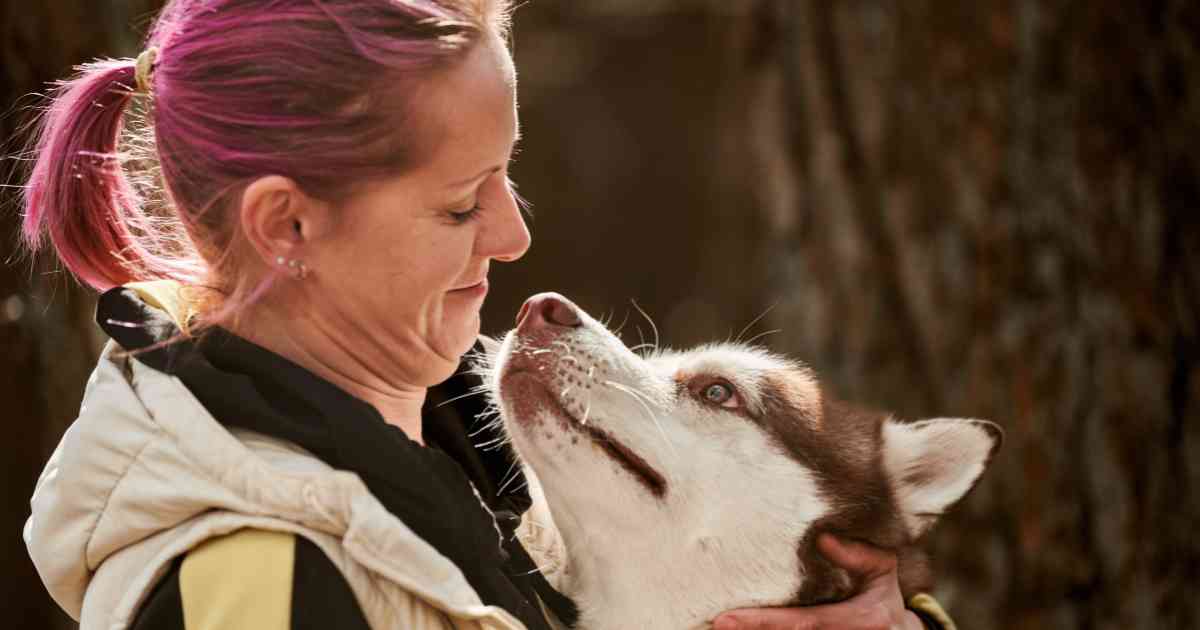
Signs Your Dog Genuinely Loves You
Still wondering if it’s love? Here are signs of a dog’s emotional bond:
- Maintains eye contact
- Sleeps near or on you
- Seeks physical touch (leaning, pawing, nudging)
- Follows you around
- Brings you toys
- Displays excitement at your voice or footsteps
- Shows signs of sadness or anxiety when you leave
Final Thoughts: The Bond Is Real
While your dog may go wild at the sound of a treat bag, don’t underestimate the depth of their emotional connection to you. From synchronized heartbeats to hormonal love boosts, science tells us loud and clear: dogs form genuine, lasting bonds with their humans.
So yes your dog really does love you. And while the food might help, it’s your companionship, attention, and affection that mean the most.