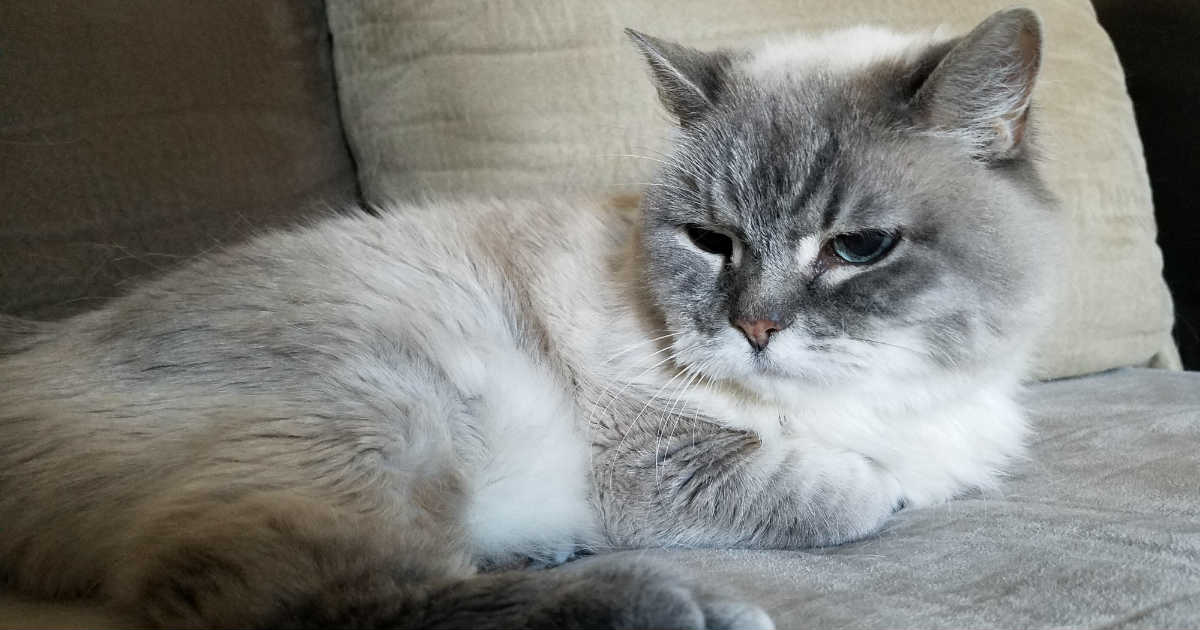



Here’s a complete guide on how to care for a cat’s wound or abscess after veterinary treatment.
Has your cat recently been treated by a veterinarian for an abscess or open wound? Whether it's from a fight, scratch, bite, or unknown outdoor incident, proper cat wound care at home is essential to ensure full recovery and avoid complications. Alongside prescribed antibiotics, usually given as tablets or injections, there are several important steps you can take to support healing and keep your feline friend safe and comfortable.
1. Check Your Cat's Vaccination Status
If your cat has been in a fight or suffered a bite wound, make sure their rabies vaccination is current. The virus can be transmitted through saliva, and a deep wound may increase the risk. If your cat’s rabies vaccine is overdue, speak to your vet about getting them vaccinated as soon as possible.
Over the next few months, monitor your cat for any unusual symptoms like:
- Lack of coordination
- Paralysis
- Aggression or behavior changes
- Excessive drooling or foaming
- Keeping vaccinations up to date is one of the best ways to protect your cat from serious illnesses after a wound.
2. Clean the Wound with the Right Solution
Proper wound cleaning is crucial for infection prevention. If the wound is still draining or oozing, gently clean the area using a diluted chlorhexidine solution or a vet-approved antiseptic. Avoid hydrogen peroxide or alcohol, which can damage the tissue and slow healing.
Be careful not to get the solution into your cat’s eyes or ears. If you're unsure how to clean the wound safely, ask your veterinarian for a quick demonstration.
Tip: Use clean gauze or a cotton pad and avoid reusing cloths that may carry bacteria.

3. Protect Yourself from Infection
When dealing with an open abscess or draining wound, it's important to remember that cat wound fluids can carry bacteria harmful to humans, such as Pasteurella or Bartonella. Always wear disposable gloves when handling the wound or touching any soiled bedding.
Afterward, wash your hands thoroughly with soap and warm water to reduce the risk of transmission.
4. Keep Your Cat Indoors During Recovery
Letting your cat roam outdoors too soon after an injury can expose the wound to dirt, other animals, and further trauma. Keep your cat indoors for at least 7–10 days or as advised by your vet. This ensures a clean, controlled environment that supports faster and safer healing.
Create a cozy space with soft bedding and limit your cat's jumping or climbing activity if the wound is near a joint or limb.

5. Schedule a Follow-Up Vet Appointment
Even if the wound seems to be healing well, it’s wise to book a follow-up visit about a week after treatment. A professional examination can confirm that the abscess is healing properly, especially if it was drained surgically.
If stitches or drains were placed, your vet will let you know when they should be removed.
6. Prevent Excessive Licking
Cats naturally try to groom their wounds, but too much licking can cause irritation or reopen the injury, leading to infection. If your cat won’t leave the area alone, use an Elizabethan collar (E-collar) or a soft recovery cone to block access.
Some pet owners find inflatable collars or vet-approved wound wraps more comfortable alternatives. Always monitor to make sure the protective gear stays in place.

7. Watch for Swelling, Redness, or Re-Closure
Healing is not always linear. If the wound starts to swell, smell, or close up with fluid trapped inside, it might be a sign of ongoing infection or abscess reformation. Return to your vet promptly; additional drainage or minor surgery may be necessary to allow proper healing.
Never squeeze or lance a cat abscess at home. This can worsen the condition and cause pain or severe infection.
Help Your Cat Heal Comfortably
By following these steps and staying alert to changes, you'll give your cat the best chance at a smooth and full recovery. Providing the right post-wound care for cats can prevent complications and keep your pet happy and healthy.
If you're ever unsure or concerned about your cat’s wound, don’t hesitate to contact your vet; it’s always better to be cautious when it comes to your cat’s well-being.